



28.03.2025 12:44
Poor blood circulation in the legs is quite a common problem among adults, especially those with a predominantly sedentary lifestyle. The older a person gets, the higher the likelihood of this issue. In this article, we will explain how circulatory disorders can affect overall health and whether this condition can lead to varicose veins.
What is poor circulation in the limbs?
Before explaining what circulatory disorders are, it’s important to understand how the circulatory system works. It consists of veins and arteries. Oxygen-rich blood flows through the arteries to all tissues and organs, and then returns to the heart through the veins.
However, when it comes to blood circulation in the lower limbs, the process is not as simple. The blood has to travel upward through the veins, but gravity complicates this. To aid blood flow, valves located inside the veins and the surrounding muscles come into play. The function of the muscles is to compress the veins, pushing the blood upward, preventing it from flowing back thanks to the valves.
If the valve system is worn out or if a person leads an inactive lifestyle with little muscle contraction, venous blood stagnates in the lower limbs. This leads to venous stasis, which disrupts metabolic processes.
Causes and symptoms of poor circulation
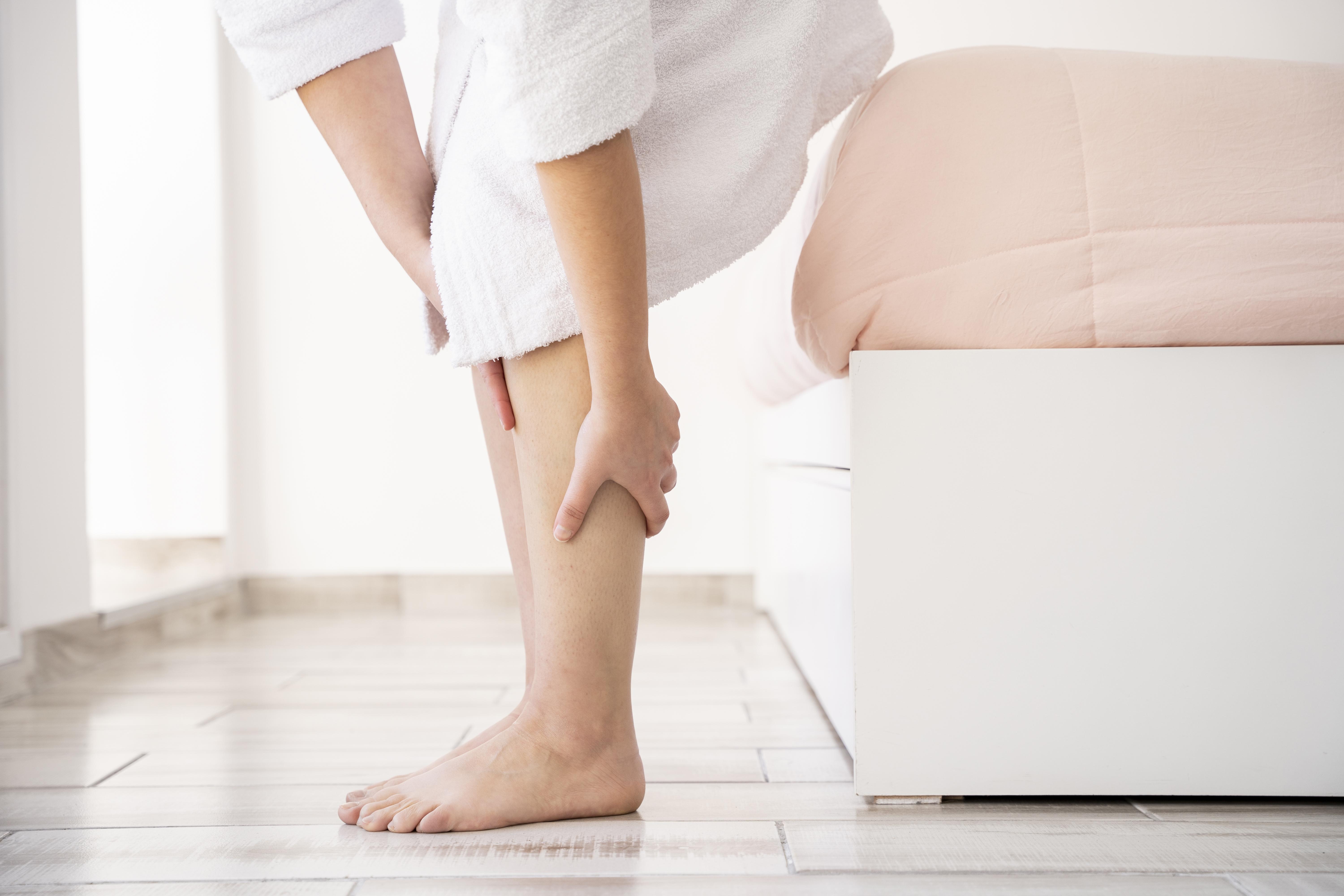
Venous stasis most often occurs due to vascular diseases, such as:
- inflammation of the vein walls;
- chronic vascular insufficiency;
- varicose veins;
- autoimmune diseases;
- atherosclerosis.
Other causes of this condition include genetic predisposition, excess weight, and lack of physical activity. After understanding the causes, let’s see how to recognize poor circulation:
- chronic fatigue in the legs;
- constant or occasional numbness in the legs;
- cold feet that cannot warm up;
- night cramps;
- swelling in the legs;
You may not immediately suspect venous insufficiency, as symptoms sometimes appear periodically or may be absent altogether. Most often, this problem is diagnosed during an examination by a phlebologist.
Additional signs of poor circulation may include itching, skin discoloration, excessive dryness, and peeling. Some patients may also experience sudden muscle pain, known as “intermittent claudication.” Sometimes, even the condition of your nails can indicate poor circulation. However, only a specialist can provide an accurate diagnosis during a consultation.
The danger of poor circulation
Poor blood circulation can cause a number of additional issues. Due to blood stasis, it can lead to varicose veins, as well as cause thrombosis or oxygen deprivation of tissues. Moreover, when the circulatory system works worse, it can result in vascular diseases, swelling, brain function decline, and slow wound healing.
How to restore blood circulation in the legs?
The first step to improving blood circulation in the legs is to consult a phlebologist. A specialist will perform diagnostics, take a medical history, and give recommendations. If varicose veins are the cause or consequence of poor circulation, you may be advised to undergo laser vein removal.
A phlebologist may also prescribe medications to increase vascular tone and reduce fragility. These can include non-steroidal anti-inflammatory drugs or anticoagulants. Additional recommendations to improve circulation in the legs include:
- more physical activity – walking, swimming, Pilates;
- lymphatic drainage massage (if there are no contraindications);
- healthy nutrition and avoiding bad habits;
- compression stockings (as prescribed by a doctor).
Trust experienced phlebologists to correctly identify the cause of poor circulation and receive the proper treatment for this condition. By contacting our clinic, you will receive a complete diagnosis and professional recommendations for the treatment of venous insufficiency and varicose veins.

surgeon, phlebologist, ultrasound doctor
