



25.11.2024 14:02
Patients who experience leg cramps at night often have varicose veins. These spasms can be associated with this condition. If you notice similar symptoms, it is recommended to consult a doctor immediately. Sudden and painful cramps in the middle of the night may be accompanied by discomfort, heaviness, and swelling, which can significantly affect your well-being. It is entirely possible to get rid of such issues with professional medical help. In this article, we will discuss the specifics of this problem and ways to address it.
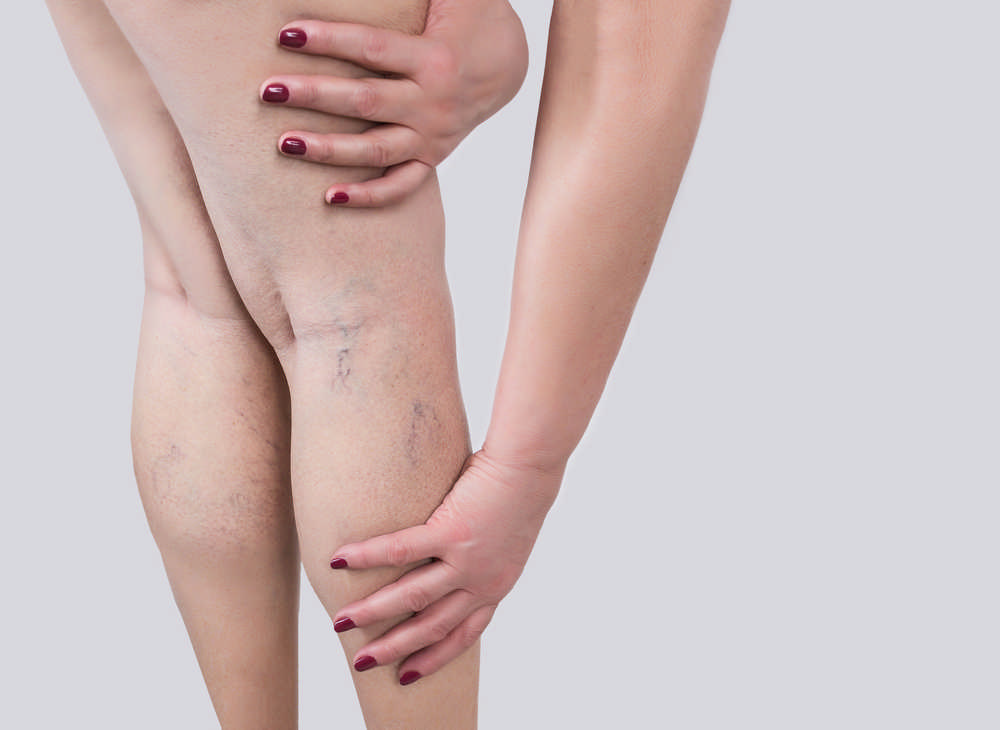
Causes of Nighttime Leg Cramps
Nighttime leg cramps are a common symptom in people with chronic venous insufficiency. Here are some main reasons why this occurs:
- Venous blood stagnation. Due to venous insufficiency, blood does not efficiently return to the heart from the lower limbs, causing blood stagnation, which in turn leads to oxygen deficiency in tissues. At night, when muscles relax, this can trigger cramps.
- Poor microcirculation. Poor blood flow causes fluid accumulation in tissues, which negatively affects muscle cell function. This disrupts the balance of ions (magnesium, potassium, and calcium), leading to spasms.
- Insufficient oxygen supply to muscles. Impaired circulation reduces the oxygen available to leg tissues (especially at night, when blood flow slows down). This stimulates muscles to contract spasmodically.
It is also worth noting that prolonged static activity during the day can lead to night cramps. This is due to increased venous pressure, which causes muscle fatigue and a tendency to cramp at night. Vein dilation creates pressure on nerve endings and surrounding tissues, contributing to painful cramps.
How to Get Rid of Leg Cramps
The first step in the case of persistent leg spasms is a phlebologist consultation. You can schedule an appointment at our clinic for a thorough examination. Often, leg cramps can occur even without obvious signs of varicose veins, such as venous nodules, spider veins, pain, or fatigue in the lower limbs. Changes in skin color and texture, as well as leg swelling, may be noticeable. Using duplex ultrasound, a doctor can identify the condition and prescribe effective treatment. Below, we outline the therapy methods we offer.
Foam Echotherapy
This method involves injecting a special sclerosing agent into the enlarged veins using a micro-needle. The patient then wears a compression stocking, which keeps the vein compressed. Within 5–6 days, the vein closes, but the patient needs to wear compression garments for up to 30 days. The maximum effect is usually seen within six months to a year.
Laser Treatment for Varicose Veins
Laser treatment for varicose veins is a safe and simple procedure that eliminates the condition. The laser acts on the affected vein, “sealing” the vessel wall from the inside, which gradually leads to its resorption. This procedure is recommended for constant heaviness in the legs, severe pain, and nighttime cramps. Laser treatment is also optimal if a patient has developed a trophic ulcer.
Sclerotherapy
This method involves injecting a special sclerosing agent into the vein lumen, causing the vein to close. Only a specialist can determine the appropriate agent and dosage. After the procedure, the patient must wear a compression bandage for a week.
Treating varicose veins is very important, as besides nighttime cramps, this condition can lead to much more serious consequences. Therefore, if you notice even one symptom, it is recommended to contact our clinic immediately.

surgeon, phlebologist, ultrasound doctor
