



28.01.2025 18:32
You've probably heard of a condition called varicose veins. This is when veins become swollen, enlarged, and twisted. It most commonly appears on the legs — especially the calves. Varicose veins often have a bluish or dark purple color and may protrude above the skin surface.
However, it’s important to understand that beyond the cosmetic aspect, this condition can be quite dangerous if ignored. In this article, we’ll talk about possible complications of varicose veins that you should be aware of and why timely treatment is essential.
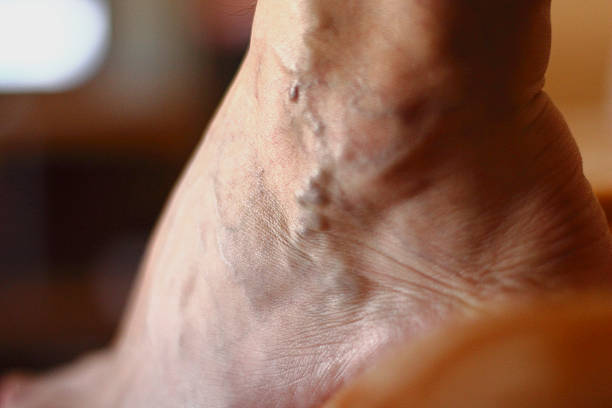
Thrombophlebitis – the formation of blood clots in varicose veins
This complication develops due to undiagnosed or poorly treated varicothrombophlebitis. The main symptoms of this complication of varicose veins in the lower limbs include:
- pain sensations;
- redness;
- vein hardening;
- severe swelling.
The main danger lies in the fact that blood clots may detach and block the pulmonary artery, which can lead to a fatal outcome.
Formation of trophic ulcers – wounds that heal poorly
As the term suggests, trophic ulcers — a complication of varicose vein disease — are very difficult to heal. When this occurs, you may notice pain and cracks in the skin, especially in areas with enlarged veins. The danger of this complication lies in the risk of infection and sepsis.
Development of skin inflammation – eczema
The main symptoms of this complication of varicose veins include:
- itching in the area of enlarged veins;
- visible vein protrusion;
- redness and skin peeling.
In addition, you may experience discomfort and unpleasant sensations. Although this complication is not life-threatening, it’s better to prevent it and seek medical help promptly.
The best solution in all cases of complications is to prevent them — namely, through laser treatment of varicose veins. By visiting our clinic, you can expect a thorough examination and diagnosis by a phlebologist, as well as personalized treatment recommendations. Don’t ignore this condition in its early stages, as the consequences can be severe and even life-threatening.

surgeon, phlebologist, ultrasound doctor
